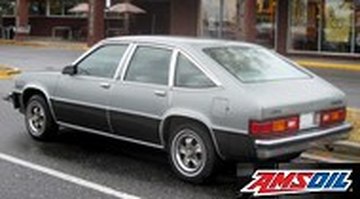
Lubrication Maintenance for the 1982 Chevrolet CITATION 2.5L
Maintaining the engine lubrication system in a vehicle like the 1982 Chevrolet CITATION with the 2.5L engine requires consistent attention to fluid condition and component integrity. Proper lubrication is fundamental to managing the internal environment of the engine, helping to mitigate friction and manage the thermal loads generated during operation. For owners of this era of Chevrolet vehicles, staying proactive with routine inspections can help identify potential issues before they escalate into more significant mechanical concerns.
Monitoring Fluid Condition and Potential Leaks
One of the most effective ways to monitor the health of the lubrication system is through regular visual inspections. When checking the engine bay, look for any signs of fluid seepage or active leaks around various sealing surfaces. Even small amounts of oil appearing on the exterior of the engine block or near gaskets can be an early indicator that a seal is beginning to lose its effectiveness due to age or heat cycles.
It is also useful to observe the appearance of the oil itself during routine checks. While oil naturally darkens over time as it performs its cleaning functions, extreme discoloration or a gritty texture can warrant closer investigation. If you notice any unusual odors near the engine or see fluid accumulating in the drain area, these are signs that should be addressed promptly. Remember that many different factors can cause a leak or an unusual odor; therefore, observing these symptoms is a starting point for further diagnosis rather than a definitive identification of a specific failed component.
Managing Long-Term Engine Care
As vehicles age, maintenance priorities often shift from strictly following a schedule to assessing the actual condition of the components. For a 1982 Chevrolet CITATION, this means looking at the vehicle's current state rather than relying solely on its age. If you are stepping into ownership of this vehicle without a complete service history, establishing a maintenance baseline is a wise first step.
To establish this baseline, begin by reviewing any available repair records or receipts. If no documentation exists, perform a thorough inspection of all major service points. This includes checking the condition of accessible hoses and belts, if equipped, for signs of cracking, glazing, or fraying. Inspecting electrical connections for corrosion and ensuring that air filtration components are clean can also provide a clearer picture of how well the vehicle has been cared for in the past. By addressing any active leaks or overdue maintenance tasks first, you can create a stable foundation for future preventative care.
Observing Potential Operational Changes
Beyond visual inspections, paying attention to how the engine behaves during operation is vital. Any changes in the way the vehicle runs can sometimes be linked to the lubrication system. For instance, if you notice an increase in mechanical noise that was not previously present, it may indicate a change in the lubrication environment. Similarly, any unexpected changes in how much oil the engine seems to use should be monitored closely.
It is important to approach these observations with caution. A single symptom, such as a change in exhaust appearance or a new sound, can be associated with various mechanical causes. For example, an unusual odor might simply indicate that a small amount of oil has contacted a hot external surface rather than indicating an internal engine issue. Always treat these signs as prompts for a professional inspection to ensure the underlying cause is correctly identified and resolved.
The Role of Lubrication in Engine Health
Engine oil performs several critical roles that are essential for the continued operation of the 2.5L engine. Primarily, it acts as a buffer between moving parts, reducing the friction that occurs during every stroke of the engine cycle. This reduction in friction is key to managing the heat generated by internal movement. Without adequate lubrication, the thermal energy produced could quickly exceed the engine's ability to dissipate it.
Furthermore, the oil helps to carry away contaminants and debris that may accumulate within the engine. By keeping these particles in suspension, the lubricant prevents them from settling and forming deposits or sludge, which can interfere with the smooth operation of various internal components. Maintaining clean, fresh oil is therefore not just about reducing wear, but also about managing the cleanliness of the entire internal environment.
Practical Inspection Priorities for Aging Systems
When performing routine service on an older vehicle, it is helpful to prioritize inspections based on what is most likely to change over time. Rather than replacing parts that appear functional, focus on monitoring materials that are susceptible to environmental degradation. This includes:
- Sealing Surfaces: Inspecting gaskets and seals for signs of seepage or hardening.
- Fluid Integrity: Checking not just the engine oil, but also ensuring other vital fluids are at the correct levels and show no signs of contamination.
- Drive Components: If equipped, checking the condition of belts for any signs of deterioration that could lead to a loss of accessory function.
- Cooling System: Checking hoses for softness or cracks and looking for evidence of leaks, as heat management is closely tied to engine longevity.
By focusing on these areas, you can distinguish between necessary preventive maintenance and unnecessary parts replacement, allowing for a more efficient and cost-effective approach to ownership.
Buying Engine Oil for your 1982 Chevrolet CITATION 2.5L
When it is time to replenish the lubrication in your engine, the most important step is to ensure the product you select matches the specific requirements of your application. Because different engines have unique needs regarding fluid properties and protection, you should always match the engine oil to the application-specific viscosity information already displayed on this page.
Before making a purchase, carefully check the product labeling to confirm it meets the appropriate quality standards. While modern formulations offer various options—including conventional, synthetic blends, and full synthetics—the best choice for your 1982 Chevrolet CITATION is the one that aligns with the technical data provided in your vehicle's specific documentation. If you are looking for specialized options, such as high-mileage formulations which may contain additives intended for use in aging engines, ensure they are still compatible with the viscosity requirements listed above. Always prioritize the accuracy of the application information found on this webpage to ensure your engine receives the correct level of protection.